JunPus thermal compounds deliver advanced heat dissipation solutions tailored for high-performance AI chips, CPUs, GPUs, and 5G base stations.
Engineered for cutting-edge semiconductor technologies,
our patented thermal pastes optimize thermal conductivity, ensuring stable performance under intensive workloads. Trusted across electronics, data centers, and telecommunications
A thermal pad connects a component to its cooling surface across a designed gap. Start with the interface, then match the material, thickness and assembly load.
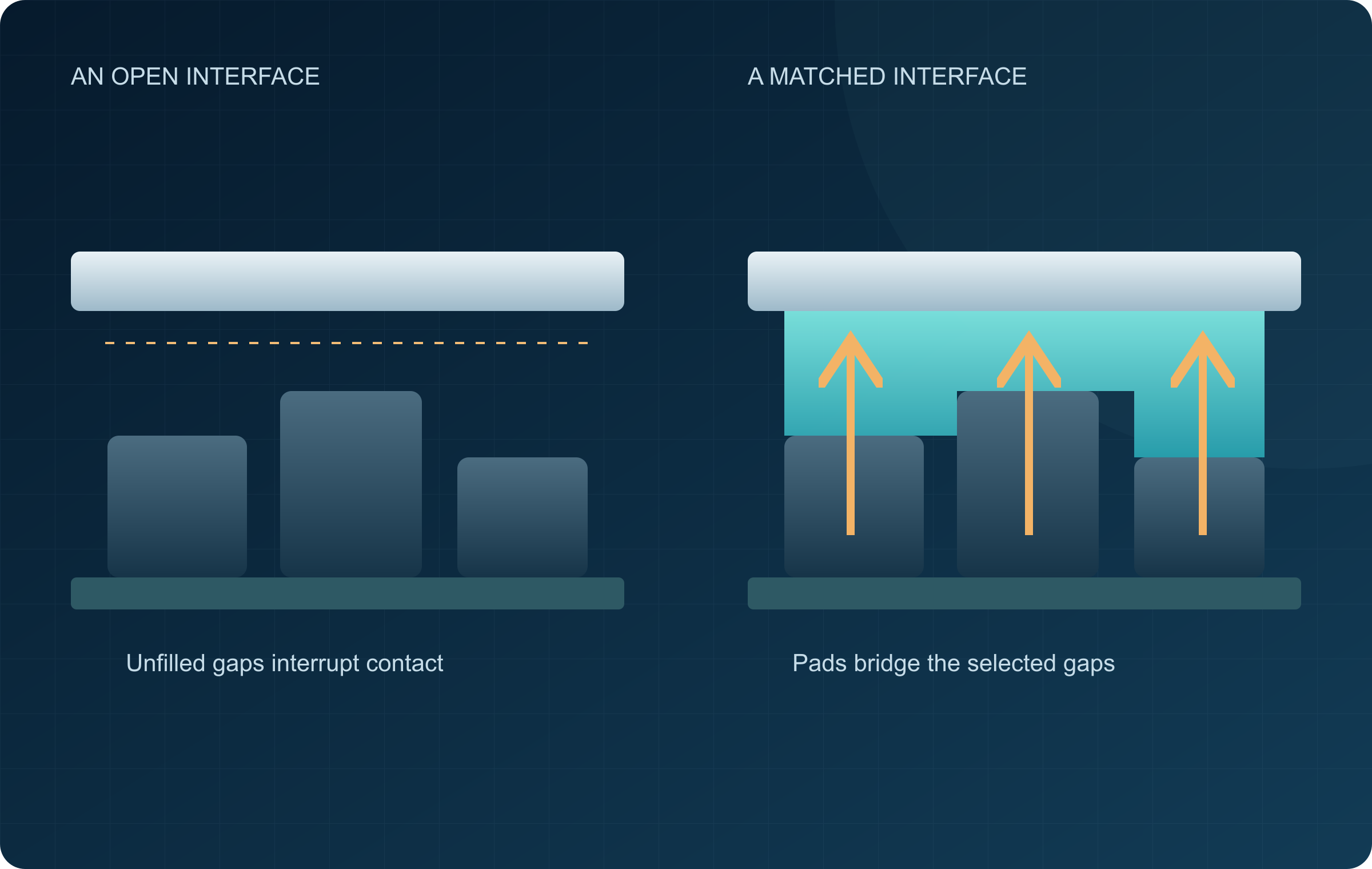
Components and cooling surfaces do not always meet at the same height. The selected pad must reach both sides of the gap while respecting the surrounding assembly.
Conceptual cross section. Geometry, color and deformation are illustrative, not product dimensions or test results.
Start with the assembled gap.
Include height tolerances, local surface variation and the effect of neighboring components. A pad selected for one board is not a universal replacement.
UNDERSTANDING THERMAL RESISTANCE
The whole interface matters.
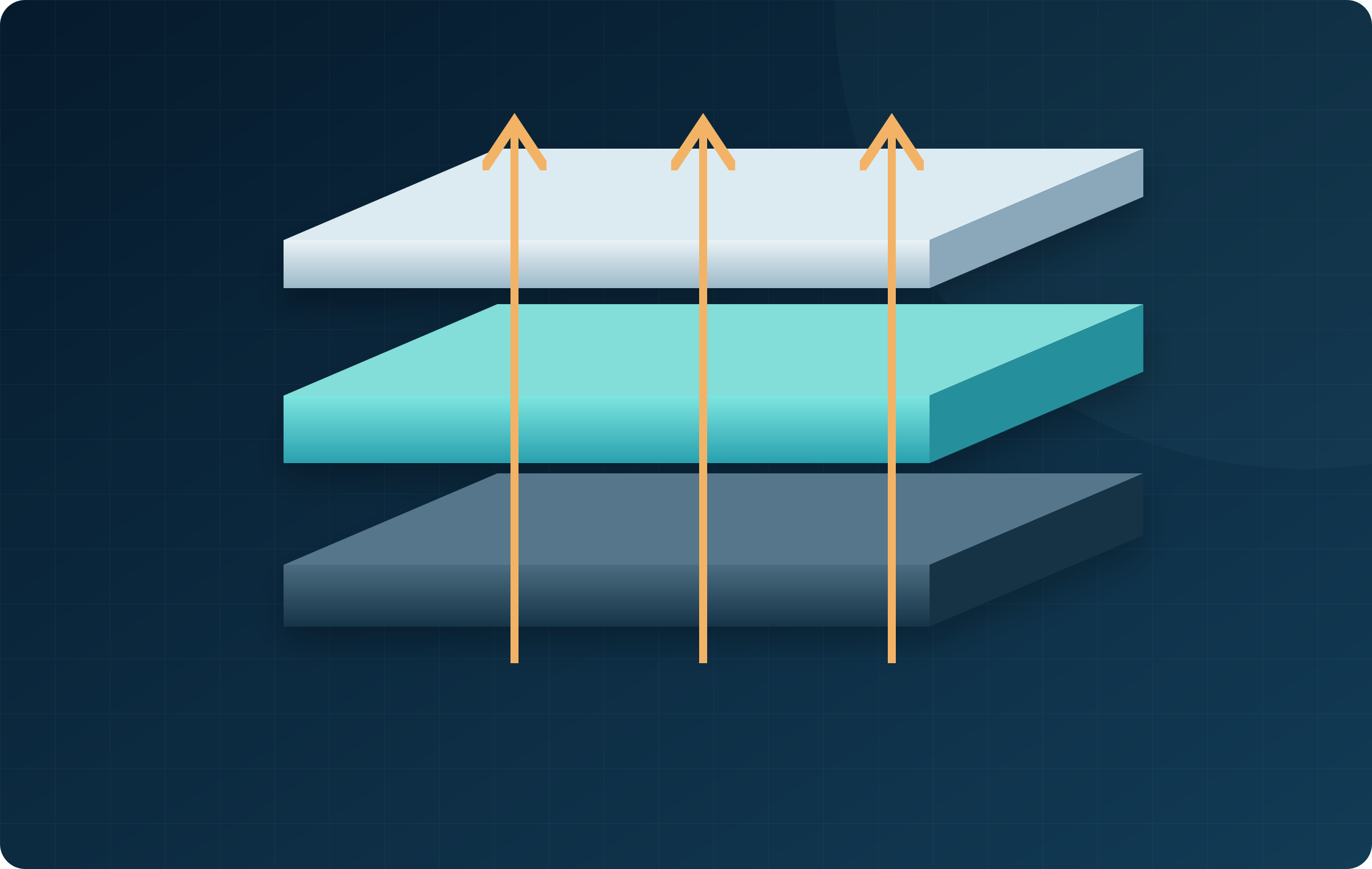
Heat passes through the first contact, the pad and the second contact. Material conductivity is one part of this path.
Exploded concept. Arrows indicate the direction of heat flow only.
Upper contactSurface condition and contact
Pad bodyConductivity, thickness and area
Lower contactComponent contact and mounting
In a simplified one-dimensional model, reducing thickness lowers the pad body's thermal resistance when conductivity and area stay the same. The chosen thickness must still bridge the gap and maintain contact.
Do not select a thinner pad on this principle alone. Confirm the assembly load and contact, then measure thermal performance in the intended hardware.
SOFTNESS & CONFORMABILITY
Choose softness for the assembly.
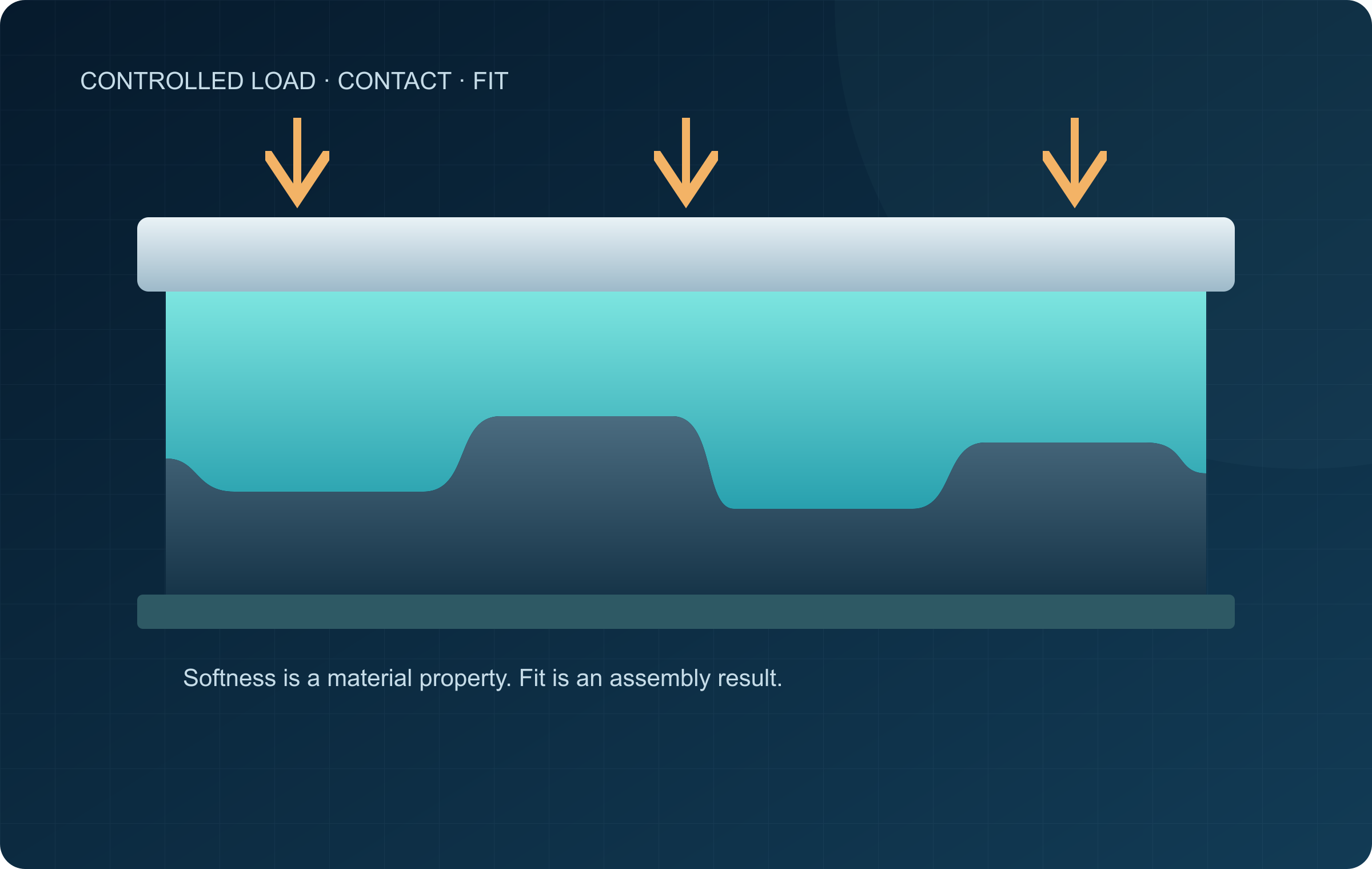
JunPus lists customizable hardness and thickness. Evaluate them together with the gap and the load the components can accept.
Illustrative fit study, not a compression curve. No hardness, pressure or compression percentage is implied.
Define the load
Stay within the hardware's mechanical limits.
Check the contact
Confirm both surfaces are reached after assembly.
Review the grade
Use its approved hardness and compression data.
Softness alone does not establish vibration damping, tear strength or long-term recovery. Those properties need their own evidence.
APPLICATION POSSIBILITIES
One material category. Many interface designs.
The JunPus family page describes consumer electronics, automotive systems, industrial equipment and telecommunications as application areas.
Application concepts from the official product-family categories. These are not device approvals or compatibility claims.
Share the component, contact area, gap, temperature conditions and assembly process. Select and validate a grade for that specific design.
ELECTRICAL ISOLATION & DAMPING
Specify the requirement. Verify the evidence.
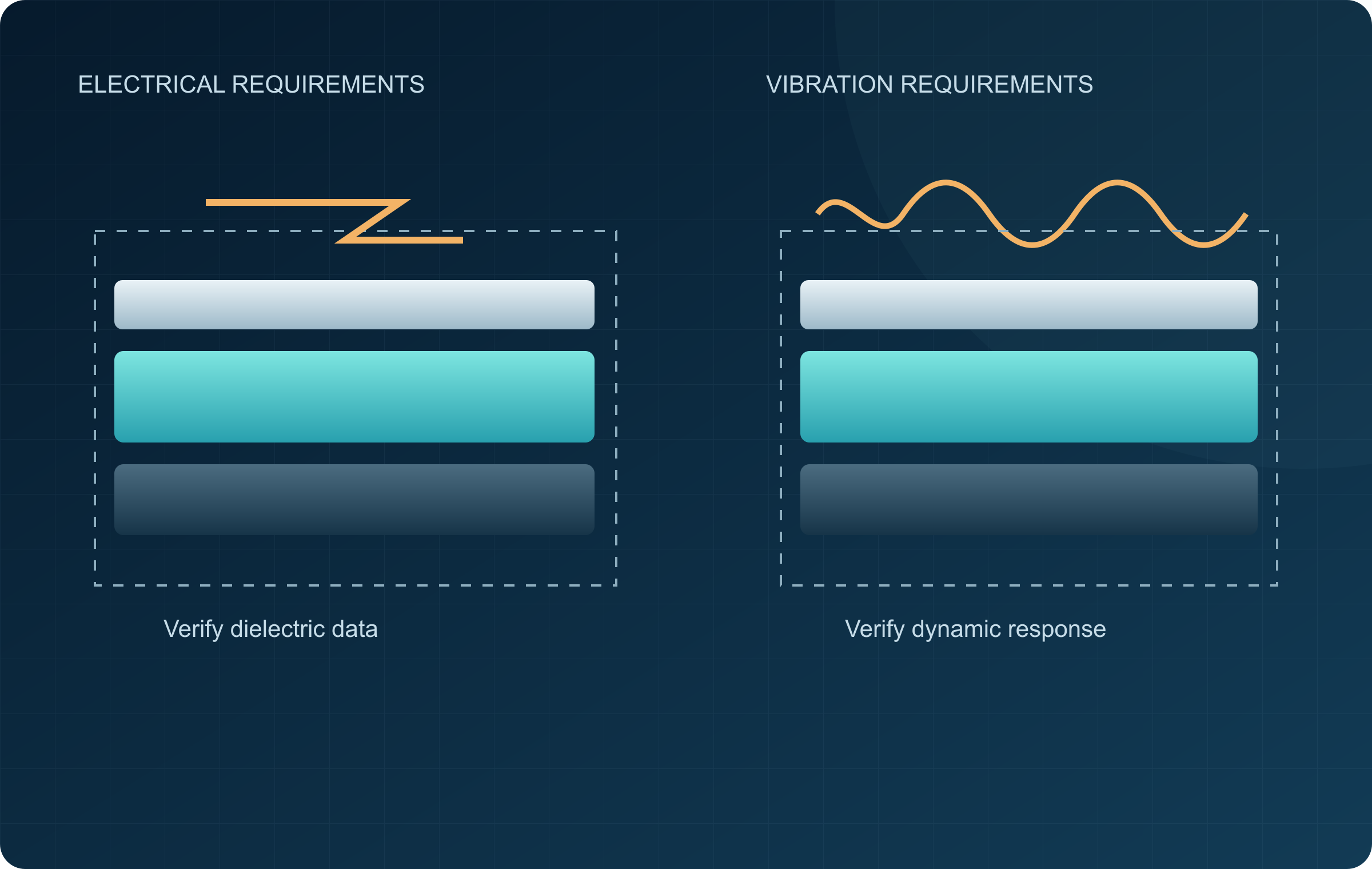
Thermal, electrical and vibration requirements are separate design questions. If electrical isolation or vibration damping is needed, include it in the material qualification.
Verification concepts only. These illustrations do not establish a dielectric rating or vibration-damping performance.
Electrical isolation
Request grade-specific dielectric strength, volume resistivity, thickness and test conditions. A flame rating does not establish an electrical insulation rating.
Vibration damping
Request dynamic response and durability evidence for the intended frequency, load and temperature. A soft pad is not automatically a qualified vibration isolator.
Request grade-specific electrical and damping test data before selecting a material for these requirements.
PUBLISHED PRODUCT-FAMILY INFORMATION
Match the data to the chosen grade.
Listed thermal conductivity
Up to 6 W/m·K
Family-page value. Confirm the grade and test method.
Listed temperature range
−45 to 200 °C
Family-page range. Confirm exposure conditions and approved limits.
Thickness and hardness
Application-led
Customizable options are described on the official page.
Confirm the selected grade, test method and operating limits before using these published family-level values in a design.
SELECTION CHECKLIST
Measure. Specify. Validate.
Map the physical gap.
Record contact areas, heights and assembled tolerances.
Confirm the material and load.
Agree on the exact grade, dimensions, hardness, mechanical limits and technical documents.
Validate the actual hardware.
Check contact, clearance and thermal behavior. Add electrical and vibration testing when the application requires it.
Follow the device maker's service specification. Do not stack pads or substitute thicknesses without an approved installation procedure.
Evaluate a sample. In your application.
Share your interface requirements and request a suitable thermal pad sample from JunPus. Test it under your actual application conditions to evaluate fit and thermal performance before selection.
Looking for a reliable and efficient solution for your heat management needs? JunPus High-Performance Thermal Pads deliver superior thermal conductivity and long-term durability, making them the ideal choice for managing heat in high-performance electronics. Designed for a wide range of applications, our thermal pads help improve device performance and reliability.